
Drone roof cleaning is a low-pressure wash carried out by a drone. It applies a safe cleaning solution and purified water to the roof surface to treat moss, algae and built-up dirt. The pilot stays on the ground, so nobody walks the roof. Wind, rain and very heavy growth are the main limits.
What drone roof cleaning actually is
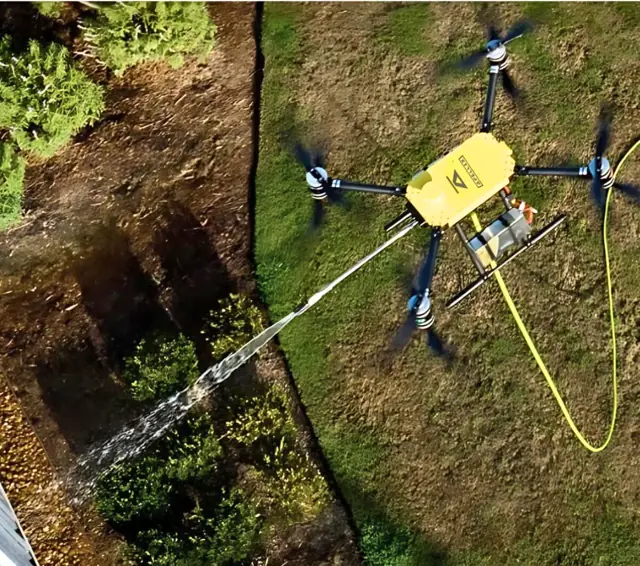
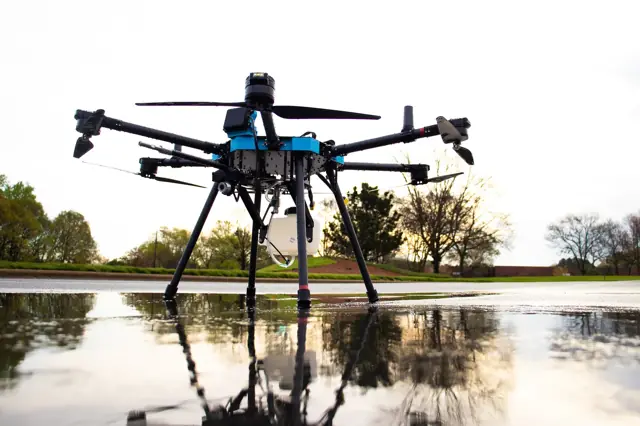
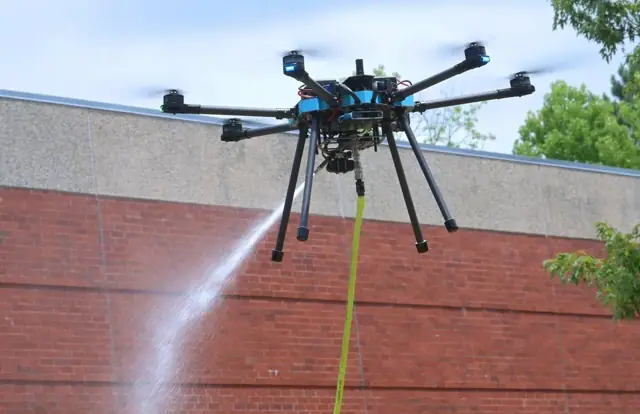
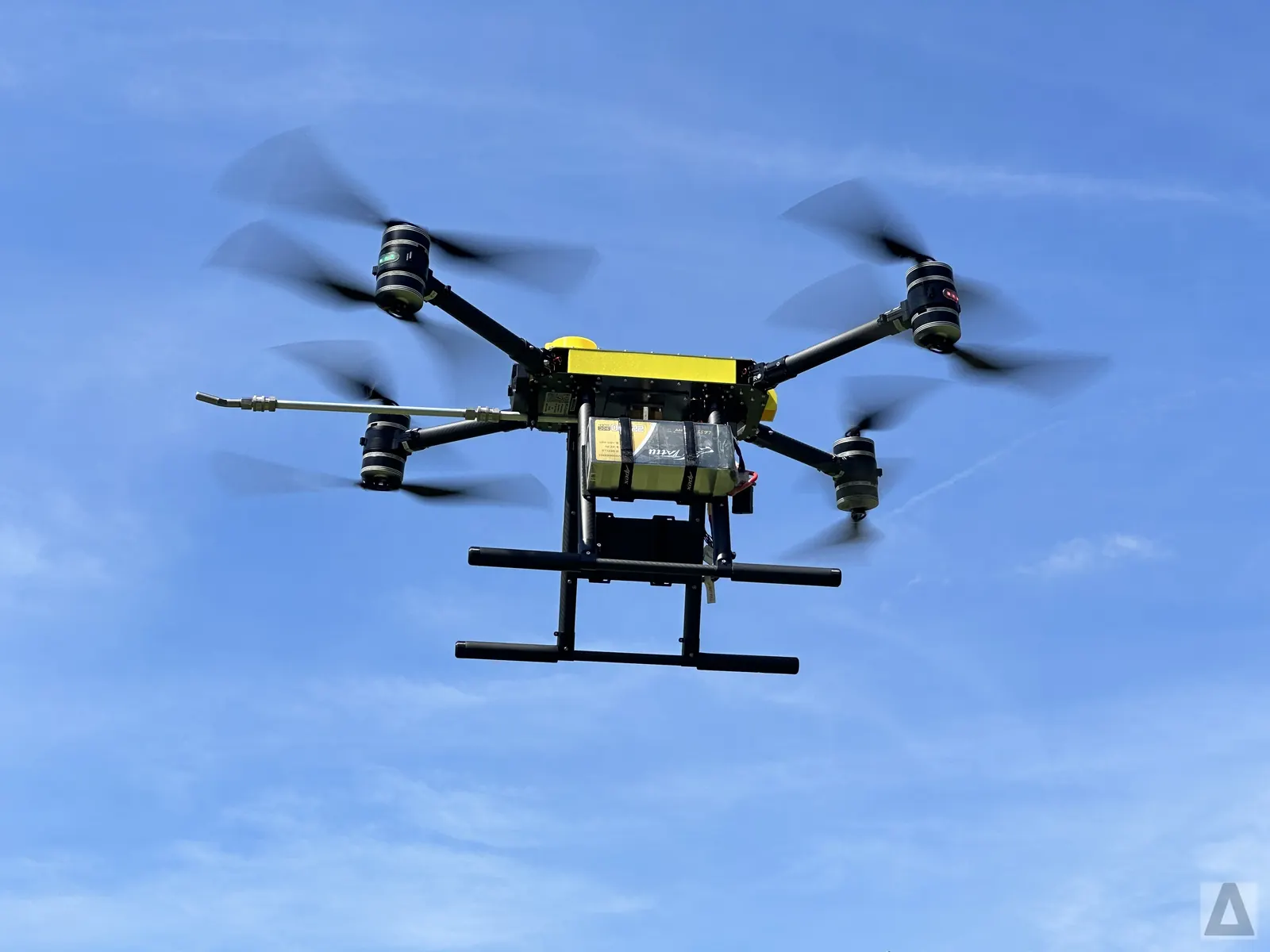
Drone roof cleaning uses a drone fitted with a spray system to wash a roof from the air. The drone applies a safe cleaning solution, lets it work, then rinses with deionized water. The pilot controls everything from the ground.
It is a gentle wash, not a blast. The goal is to treat the growth and lift the dirt without stripping the surface underneath. That matters on shingles, tiles and coated metal, where harsh pressure can do more harm than the moss ever did.
The same approach works on a house, a low-rise apartment block or a large commercial roof. What changes is the flight plan and how long the job takes.
Moss, algae and dirt: what is sitting on your roof
Most roof staining comes from a short list of causes. Knowing which one you have helps set expectations for the clean.
Growth is more than a cosmetic issue. Moss holds water against the surface and can lift the edges of shingles and tiles as it thickens. Debris slows drainage. Treating it early is easier than dealing with a roof that has been covered for years.
- Algae: the dark streaks that run down shingles, usually on the shaded or damp side.
- Moss: green clumps that root along edges and between tiles and hold moisture against the roof.
- Lichen: crusty pale patches that grip the surface tightly and release slowly.
- Dirt and soot: a gray film from traffic, trees and nearby industry.
- Leaf litter and bird droppings: debris that collects in valleys and behind chimneys.
Why nobody walks the roof
A wet, mossy roof is one of the slipperiest surfaces on a property. Traditional roof cleaning puts a person on that surface with hoses and equipment, often on a steep pitch. It also means harnesses, anchors, ladders or scaffolding before any cleaning starts.
Foot traffic is hard on the roof itself. Boots can crack tiles, loosen granules on shingles and dent metal panels. A drone removes both problems. The person doing the work stands on the ground, and nothing heavier than spray touches the roof.
How a roof clean runs from start to finish
Drone Sky Cleaners follows the same steps on a roof as on a facade. The crew inspects the roof first, looking at the material, the pitch, the type of growth and anything fragile such as skylights or vents. Then they plan the flight path.
Before the drone lifts off, the area below is cordoned off so nobody walks under the work. The drone applies the solution and rinses section by section. A final inspection follows, with before-and-after photos, and the crew can book the next clean while they are on site.
Where drone roof cleaning has limits
A drone is not the right tool for every roof on every day. Wind is the first limit. Strong or gusty wind pushes spray off target and makes steady flying harder, so the crew will reschedule. Rain and freezing temperatures stop work too.
Thick moss and old lichen may need a second pass. The solution treats the growth, but well-rooted clumps often release over time instead of washing away at once. Roofs near airports may sit in controlled airspace, which calls for authorization before the flight. And a clean will not fix damaged shingles, failed flashing or leaks. Those need a roofer.
Aftercare: keeping the roof clean longer
What happens after the wash affects how long the result lasts. A few simple habits help.
- Give treated moss time. It can change color and loosen in the weeks after the clean.
- Trim branches that hang over the roof so it gets more sun and less debris.
- Keep gutters and downspouts clear so water drains instead of sitting at the edges.
- Look at the roof from the ground each season and note where growth returns first.
- Book regular cleans so growth is treated while it is still light.
Getting a quote for your roof
Quotes are priced per building. Drone Sky Cleaners looks at the height, the surface area and the access around the property before giving a number. Photos of the roof and a short description of the staining help speed that up.
Requests are taken across Canada and the United States. The work is carried out by the company's own crews or a local Drone Sky franchise partner.
Common questions
Will drone roof cleaning damage my shingles?
The method is a low-pressure application of cleaning solution and purified water, so it avoids the scouring that high-pressure washing can cause. The crew checks the roof material during the pre-inspection and adjusts the approach or flags any areas that are already worn.
What types of roofs can a drone clean?
Drones can wash most common roof surfaces, including asphalt shingles, tile, slate and metal, on houses and on larger commercial buildings. The pre-inspection confirms whether your particular roof, pitch and surroundings are a good fit before any flight is planned.
Do I need to be home during the roof clean?
Not always, but the crew needs access to the property and a clear area below the roof. Close windows and skylights, move vehicles and outdoor furniture away from the house, and keep children and pets indoors while the drone is working.