
A drone cleaning business owner needs more than flying ability. The role calls for selling the service honestly, scheduling around weather and tenants, running safety procedures the same way every time, keeping clients informed, and hiring and supervising certified pilots. Most of these skills can be learned by someone organized and willing to practice.
Flying is one skill among several
People drawn to this business usually start with the drone. That makes sense. It is the visible part. But ask any owner how the week went and you will hear about a rescheduled job, a board meeting and a pilot who called in sick long before you hear about a flight.
Flying still has to be done properly. Commercial work in the United States is flown under FAA Part 107, with a certified remote pilot, a registered drone and authorization in controlled airspace near airports. In Canada, Transport Canada drone (RPAS) rules require a certified pilot, a registered drone and airspace clearance where needed. Rules change, so check the current rules. Once that base is in place, the skills below decide how the business runs.
Sales: explaining a new method simply
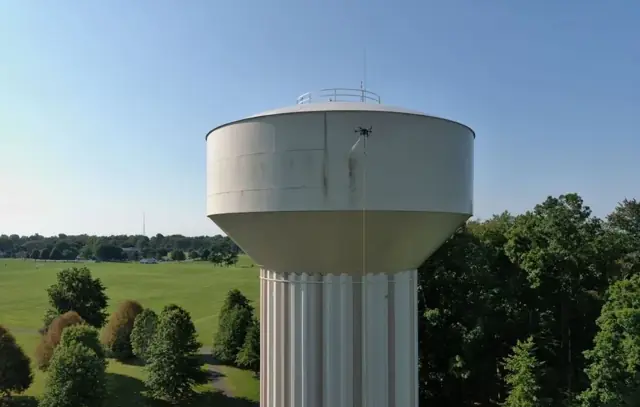
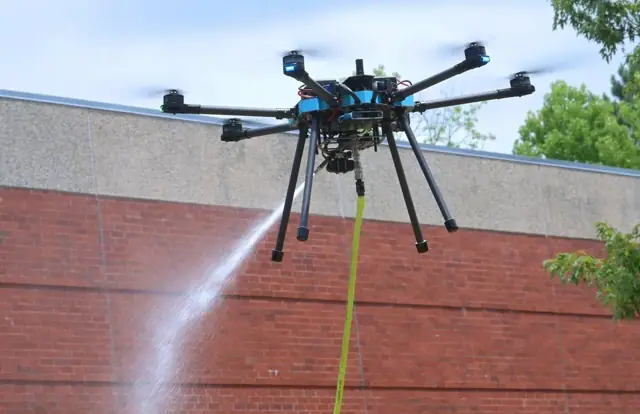
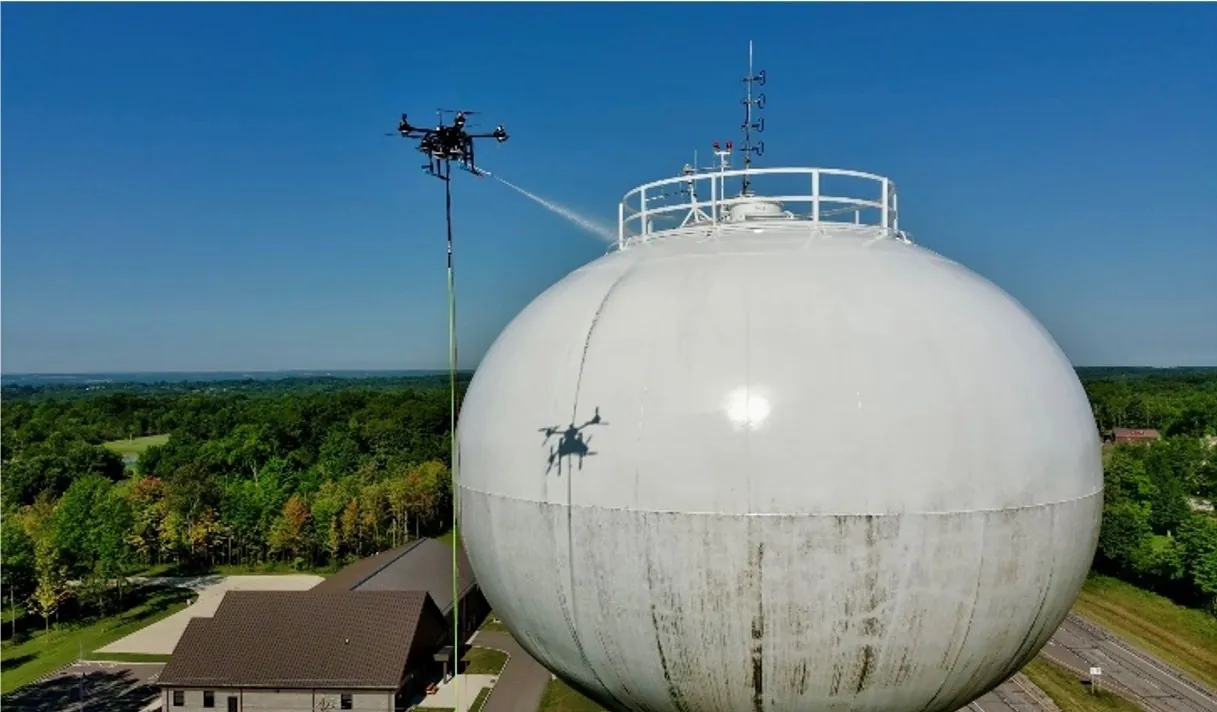
Many building owners have never seen a drone wash a window. Your job is to explain it in a few plain sentences: the drone sprays deionized water and a safe cleaning solution, the pilot stays on the ground, and no scaffolding or lifts are needed.
Good selling here is mostly listening and looking. Walk the site. Ask what bothers them about the building today. Then quote that specific building based on its height, glass area and access. Leave the owner with a written quote, not a verbal one. Say what the method cannot do as well. Heavy staining may need a second pass. A client who hears that early is rarely upset later.
Scheduling around weather and people
A drone cleaning calendar is written in pencil. Wind and rain move jobs, and one moved job pushes the next. The skill is building slack into the week and telling clients quickly when plans change. A simple rule helps: never promise a date you cannot move, and always offer the next available one in the same message.
People matter as much as weather. An office wants the work done before staff arrive. A storefront wants it finished before opening. A residential building needs notices posted in advance. Keeping these needs straight, in a calendar everyone on the crew can see, is unglamorous work that clients notice.
Safety as a habit
Safety is a routine you repeat, not a mood. The owner's skill is making the routine automatic for the whole crew, even on the tenth job of a long week.
- Do the pre-inspection, even on a building you have cleaned before
- Plan the flight and brief everyone on it
- Cordon off the area below and keep it closed until the drone lands
- Know your wind limit and stop when you reach it
- Finish with a final inspection before you pack up
Client communication
Most complaints in service work come from surprises, not from the work itself. Tell clients what day you are coming, what the cordoned area will look like and what happens if the weather turns.
Afterward, send the before-and-after photos without being asked. They show the result on parts of the building the client cannot see from the sidewalk. Then suggest a time for the next clean while the building still looks its freshest. Short, clear messages beat long ones. A property manager with a full inbox will thank you for a message that takes seconds to read.
Hiring and supervising pilots
At some point one person cannot fly every job. Hiring pilots is its own skill. Certification is the starting requirement, but temperament matters just as much. You want someone patient, who will stop a job when the wind picks up instead of pushing to finish.
Watch how a candidate prepares, not just how they fly. Do they check the equipment without being told? Do they speak politely to a passerby who wanders up with questions? Then train them in your procedures and stay on site for their early jobs. You remain responsible for the work they do under your name.
Where a franchise fits in
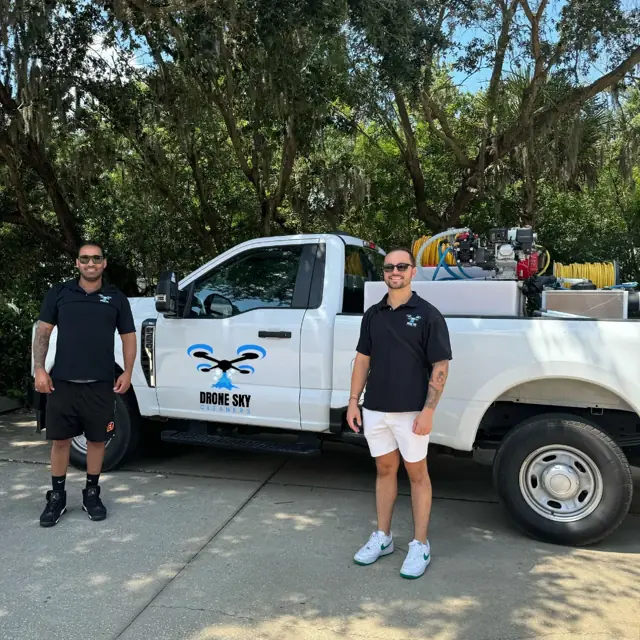
Nobody arrives with all of these skills. A franchise can shorten the learning on method and procedures. Drone Sky partners submit an application, go through an approval process focused on operational and safety standards, and launch with guidance. The people skills are still yours to build, one client and one job at a time.
Common questions
Do I need a business background to own a drone cleaning business?
A formal background is not required, but basic business habits are. You need to answer inquiries promptly, keep records, manage a calendar and follow through on what you tell clients. People from trades, property services and operations roles often already have these habits.
Should the owner be the main pilot?
It depends on the owner. Some enjoy flying and keep doing it. Others find their time is better spent with clients and on planning, and they hire certified pilots. Either way, the owner should understand the flying well enough to supervise it.
Which skill do new owners tend to underestimate?
Scheduling surprises many people. Weather shifts jobs with little warning, and each change affects clients and crew. Owners who communicate early and keep some room in the calendar handle it calmly. Those who book every hour tend to struggle.